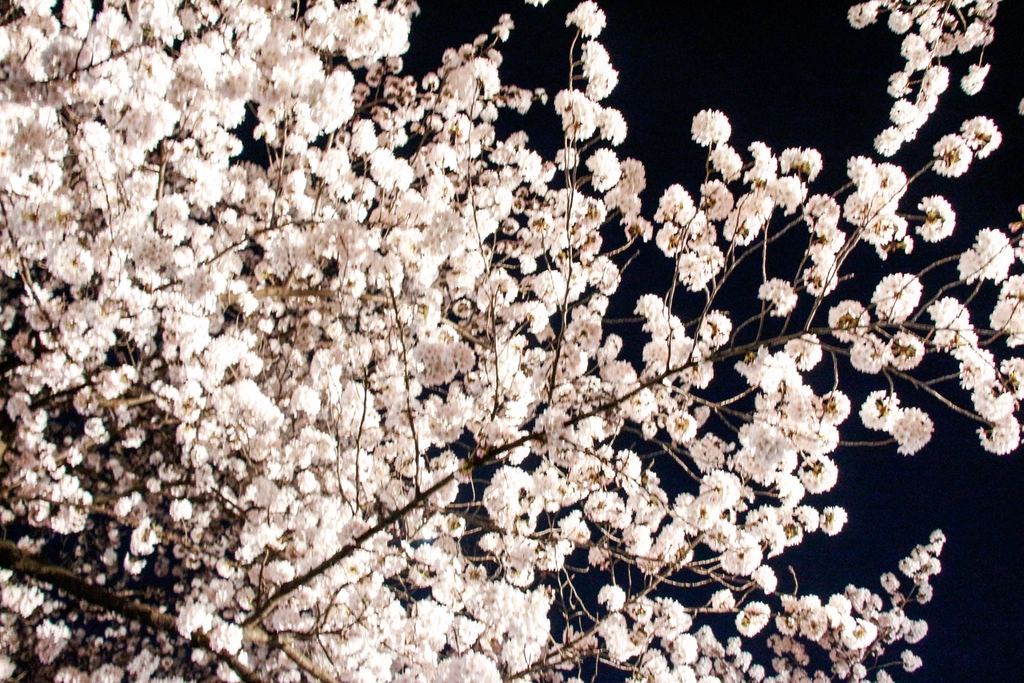
Sakura & Eid 2027 — Tokyo's cherry blossoms open right after Ramadan
2027 lines up beautifully for Muslim travelers: Eid al-Fitr is expected around March 9, and Tokyo's cherry blossoms typically open in late March and peak around the turn of April. For families in Malaysia and Indonesia, that puts the sakura season within reach of the Eid school holidays — a celebration trip that ends under the blossoms. Here is how to plan it.
01The 2027 calendar, side by side
| When (2027) | What happens |
|---|---|
| ~Feb 8 – Mar 8 | Ramadan 1448 AH (in Tokyo: a short ~12.5-hour fast — see our Ramadan in Tokyo guide) |
| ~Mar 9 | Eid al-Fitr (subject to moon sighting, ±1 day) |
| Mid–late Mar | Plum blossoms finish; early cherry varieties (kawazu-zakura) already out in places |
| ~Mar 20–28 | Tokyo's main sakura (somei-yoshino) typically begins opening — in recent warm years, earlier |
| ~Late Mar – Apr 5 | Full bloom window in an average year, then a week of falling petals (hanafubuki — many people's favorite part) |
Honest caveat: sakura dates move every year with the weather, and no one can promise full bloom for your exact dates. The Japan Meteorological Corporation publishes rolling forecasts from January; check them before locking flights, and if you must choose blind, the last week of March into the first days of April is the statistically safest window for Tokyo.
02Eid in Tokyo, then hanami
If your trip starts at Eid itself: Tokyo's mosques hold festive morning Eid prayers, with Tokyo Camii (Japan's largest mosque) the biggest and most celebratory — arrive early, dress warmly, and expect a crowd from every corner of the Muslim world. Our neighborhood mosque, Masjid Darul Arqam in Asakusa, offers a smaller, warmer community Eid within walking distance of our villa. Plum blossoms are still out in early March — the family Eid photo under blossoms works even before the cherries open.
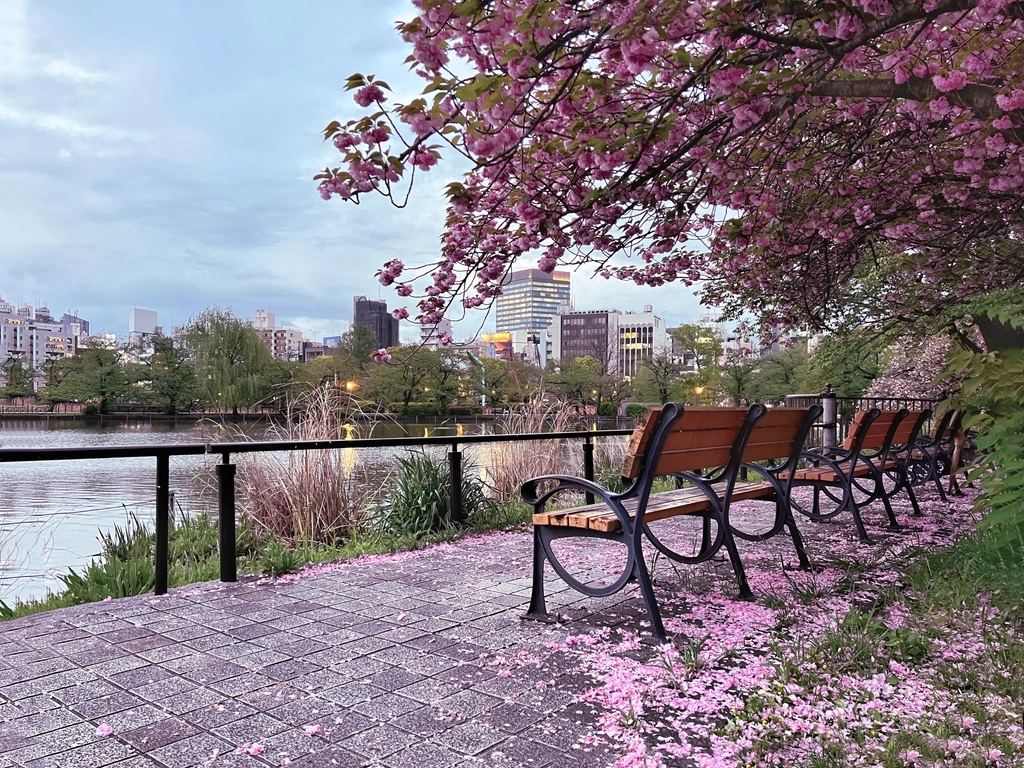
03Where to see sakura — starting from Sumida
Sumida Park隅田公園
The riverside park between Asakusa and Mukojima — hundreds of cherry trees along both banks of the Sumida River, with Tokyo Skytree rising behind them. This is the classic Tokyo sakura photograph, and it is our home turf: you can walk back to the villa afterwards. Evening illuminations most years; yakatabune boats glide below the blossoms.
Ueno Park上野公園
Over a thousand trees and the loudest, most joyful hanami crowds in the city. Go on a weekday morning with children; combine with the museums or the zoo. Halal shopping in Ameyoko and Masjid As-Salaam are minutes away for Dhuhr.
Chidorigafuchi & the Imperial Palace moats千鳥ヶ淵
Petals drifting onto the palace moat, rowboats below the blossoms. The queues for boats are real — go at opening time. Nearest prayer logistics: pray Dhuhr before leaving, or plan Asr back at the villa.
Meguro River目黒川
A four-kilometer tunnel of blossoms over a canal, at its best lit up after dark. Crowded but unforgettable; combine with a Shibuya day.
04The halal hanami picnic — where a villa quietly wins
Hanami is, at heart, a picnic under the trees — and this is where staying somewhere with a halal-only kitchen changes the trip. Street food at sakura festivals is largely off-limits (yakitori glazed with mirin, pork skewers, unclear broths), and restaurant queues under the blossoms are long. Our guests do it differently:
- Shop the day before — halal-certified chicken from the discount supermarket near the villa, vegetables from the station supermarket (details in the halal groceries section of our local guide).
- Cook a bento together in the morning: onigiri, tamagoyaki, karaage from halal chicken.
- Walk to Sumida Park, pick a spot on the Mukojima side (quieter than the Asakusa bank), and eat under the trees with Skytree above you.
- Picnic manners: shoes off the tarp, take every piece of rubbish home, no claiming spots with unattended sheets for hours.
05When to book — a candid note on sakura season
Late March to early April is Tokyo's single most expensive and most fully-booked accommodation window. Whole houses for 8–10 guests are scarce in Tokyo at any time of year; in sakura season the few that exist go first, typically 4–6 months ahead. If your family is planning Eid + sakura 2027, the realistic booking window is October–December 2026. This applies to every villa in the city, not just ours — book whichever you choose early, and check the cancellation terms so a shifted Eid date or a late bloom forecast doesn't trap you.
Sakura season, one house, one family
THE HOSPITEL by Dr. — a Muslim-friendly private villa for up to 10 guests, a 20-minute walk from Sumida Park's cherry trees. Two prayer rooms, halal-only kitchen for the hanami bento, doctor-curated sleep design. One group per night.
Check 2027 availability